
QUALITY CONTROL
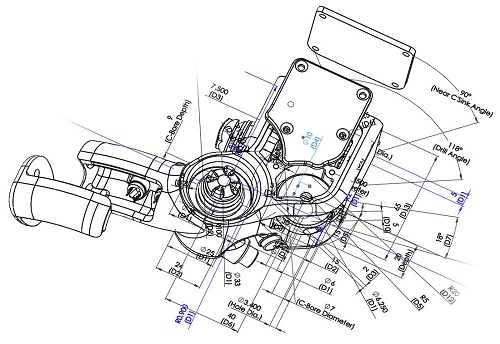
I have been working in high technology companies for quite some time.
One of the major benefits of this is that most of these companies have clear guidelines on how to perform tasks.
All of those tasks are part of their Quality system. I have been privileged to work in those guidelines and I am convinced that they are not only beneficial to large companies, but also small enterprises and projects.
They provide clarity as well as feedback loops for continuous improvement. Production is a dynamic process, it has many moving parts, you should have a good plan and processes in place.
Below I have outlined the different types of areas which will need quality control procedures and instructions.
Manufacturer & Factory Inspections – The quality documents used in this process outline aspect that your local inspection team should be looking for and questions they would need to ask that are relevant to a good outcome during manufacturing with this particular factory. I can also assist you with communication and interpretation of the inspection reports.
Production Inspections (Prototypes and Golden Sample) – As mentioned in the Manufacturing section, investigating early prototypes is essential to finding out where manufacturing problems could occur. Documenting these issues, determining the correct outcomes and communicating them to your supplier effectively is crucial to a successful production run.
Production Run Inspections (Manufacturer Facility) – After a production run has been completed an inspection of goods is necessary prior to making a final payment. The documentation developed from the prototypes will be used to pass or fail the current production run.
Product Inspections in USA – Inspections in the country of sale (retail) can also be completed, they can be both for products being shipped to the customer or returned products that need to be inspected to see if the damage was made by the customer. Or perhaps to see if the returns can be repackaged and re-sold. Naturally these will require guidelines and instructions to complete these tasks accurately and efficiently.
Quality incidents and resolutions – Problems in productions are inevitable, how you deal with these issues is key to your success. Chinese manufacturers are not likely to have quality systems in place, this is why you need to create them and make sure that they not only get reported but also resolved. A simple quality procedure should be implemented. You can create your own or purchase an appropriate template in the
Step by Step section.
Processes and Procedures – To effectively manage and control the quality of your product you need to set up control parameters at different stages of the production process. Having good procedures for every aspect of your business makes your tasks easier to implement and outsource. They also bring additional value to your business at some stage you decide to sell it or license it.